What a 3,300-acre farm taught me about building anything
Alongside the developments, I ran a working farm for years. It taught me more about building durable things than any deal ever did.
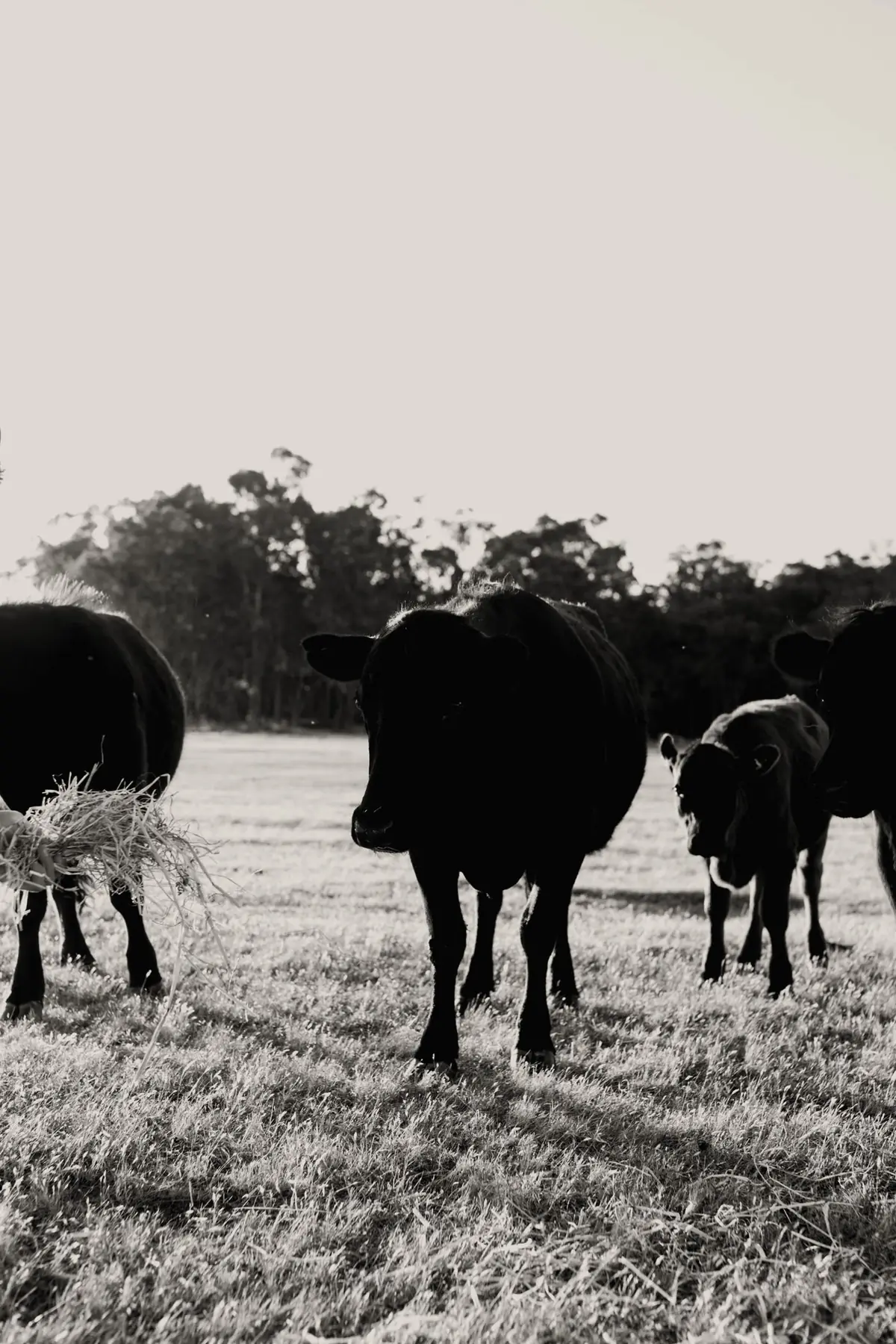
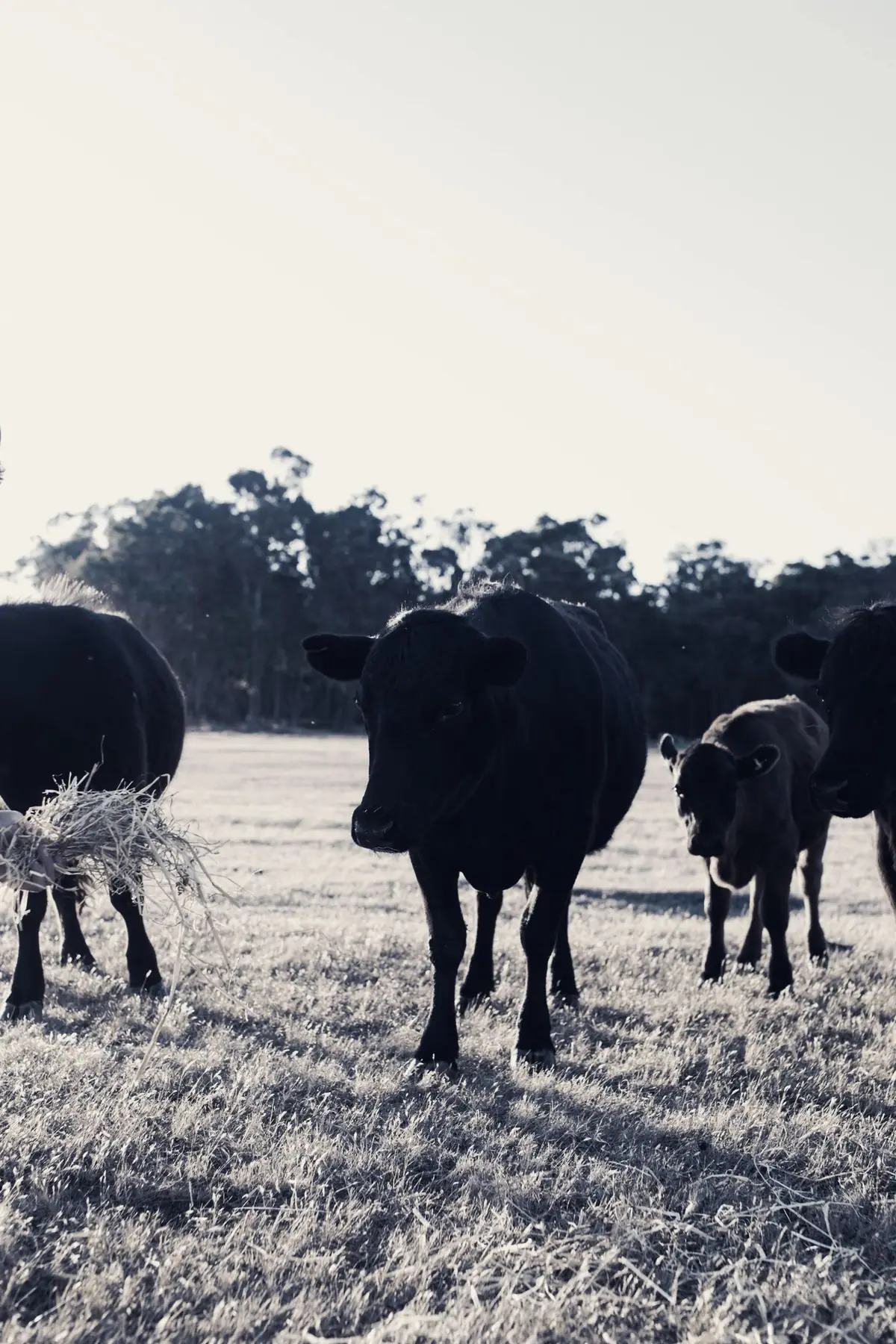
For a long stretch of my working life, alongside the development projects, I owned and ran a farm. Three thousand three hundred acres, carrying several things at once — olives and olive-oil production, sheep, and Black Angus cattle. It was not a hobby. It was a working operation, with all the weather, patience and unglamorous labour that implies.
People who know me as a developer or, more recently, as someone who arranges capital, are sometimes surprised by the farm. But it taught me more about how to build durable things than any deal ever did.
The land sets the pace, not you
The first thing a farm teaches is humility about time. You cannot rush an olive tree. You cannot argue a herd into being ready before it is ready. The seasons do not care about your plans or your impatience. You work with the pace the land sets, or you fail.
That runs against the temperament property and finance can encourage, where speed is prized. Both things are true at once: there are moments in capital where speed is everything, and there are processes — in farming, in building a business, in developing a person’s capability — that cannot be hurried without ruining them. Knowing which is which is most of the wisdom.
Multiple income streams, one piece of land
The farm carried several enterprises on the same ground, and they balanced each other. When one was down, another was usually steadier. No single line had to carry everything, and the whole was more resilient than any part.
I did not realise at the time how completely that idea would shape the rest of my working life. Development, capital, land, agriculture — these are not scattered interests. They are streams on the same ground, each understood from the inside, each making the others more resilient.
You cannot fake having done it
There is a kind of knowledge you only get by doing the thing yourself, through a full cycle, including the bad years. You can read about running cattle. You can hire people who know. But until you have carried an operation through drought and recovery, through good prices and poor ones, you do not really understand it — and the people who have can tell, immediately, whether you have.
I feel the same about every discipline I work in now. I do not take on developments I could not deliver myself, or arrange capital for situations I have not stood inside. Earned knowledge over borrowed knowledge, always. It is slower to acquire and impossible to counterfeit.
Where it leads
The farm is also why I am building toward something larger in agriculture: a way for others to invest alongside quality Australian farmland and primary production, structured properly, by someone who has worked the ground rather than only modelled it. That will move at the pace the land allows, which is rather the point.
Build slowly where slowness is required. Carry more than one crop. And never claim to know a thing you have not done. Those are farm lessons, but I have never found a better description of how to build anything that lasts.