What good developments get right before anyone sees them
A development's visible success is built early, in four quiet decisions about price, certainty, structure and focus. Lessons from thirty years of subdivision.
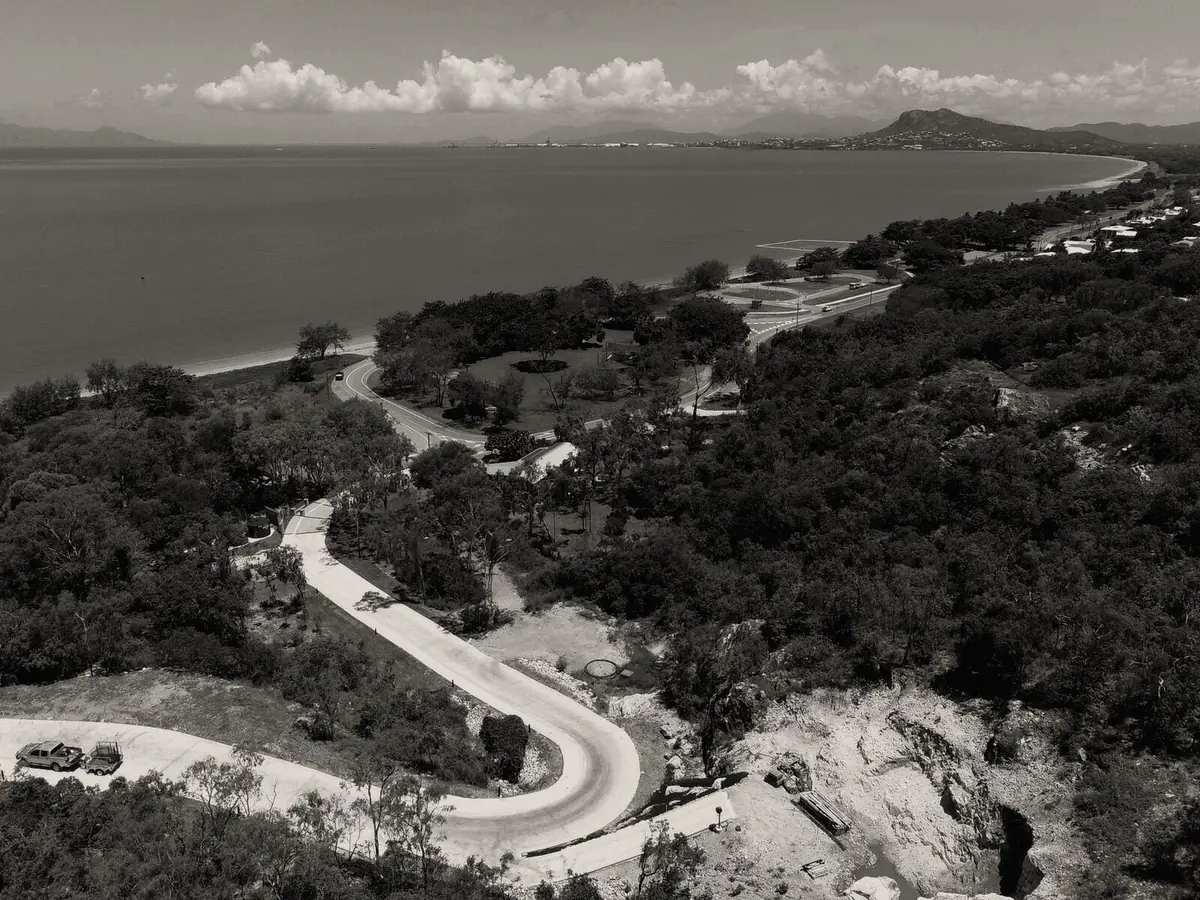
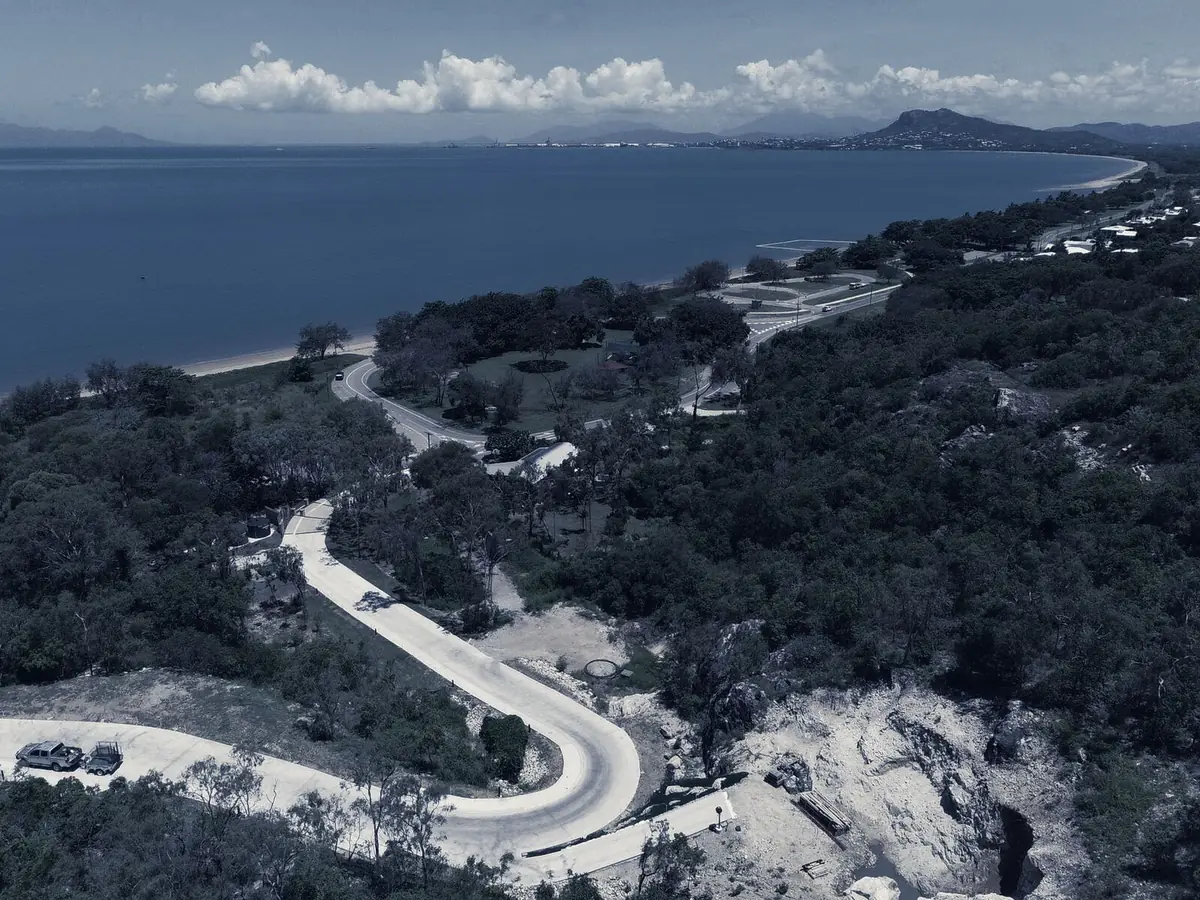
I bought into my first development at seventeen, while I was still at school. That was 1997. In the close to three decades since, I have delivered more subdivisions than I bother to count — residential estates, gated communities, townhouse projects, industrial and marine-industry subdivisions, and commercial strata conversions in Sydney and on the Gold Coast — and I have watched a great many other people’s projects from close range.
The part of a development everyone sees comes at the end: the render, the launch, the finished community with families moving in. It is the most rewarding part of the work. But it is rarely where a project is won. The developments that go well are shaped long before any of that, by a handful of quiet decisions made early. Get those right and the visible success tends to follow.
One: buy the site for what it is, not what it might become
A good development is usually secured on the day the site is bought. The price works if approvals take their ordinary course, if costs land where the feasibility expects, and if the market simply stays sensible. Land bought on those terms gives a project room to breathe, and room to breathe is what lets a team make good decisions later rather than hurried ones.
The question I ask at acquisition is a practical one: does this still work in an ordinary year, not just a great one? When the answer is yes, the upside takes care of itself.
Two: treat the approval as a process to be managed
A development approval is not a moment. It is a process, and the best projects manage it as one. They invest early in the things that build certainty — thorough diligence, sound planning advice, the right consultants, good relationships with council — and they keep their commitments in step with what has actually been approved.
Done this way, approvals become an asset rather than a hurdle. Over the years I have taken raw green-acre sites through rezonings, material change of use and registration, and repositioned existing buildings to secure the strata approvals that let them be separated and sold. Each time, the value was created as much in the patience of the process as in the approval itself.
Three: design the capital with the project, not after it
Every development meets something unexpected. The projects that handle it calmly are the ones whose funding was designed with room in it: sensible contingency, a facility with some flexibility, a lender who understands the project, and capital held in reserve.
This is the lesson that drew me toward capital itself. Financing is not something to arrange at the end. It is part of the design of a project, as much as the layout or the product, and when the two are built to fit each other, a surprise stays an ordinary event.
Four: put the effort where the value is
The work that truly moves a development forward is a short list: secure the site well, get the approval clean, structure the capital with room to breathe, and deliver the product the market actually wants. The best teams I have worked with are disciplined about that list. They stay busy on the things that matter, and they let the rest wait.
The quiet part of the work
Development has been my life’s work and I believe in it. What it has taught me is that the visible success is built in the unglamorous early decisions about price, certainty, structure and focus — made with judgement, and made early.
Thirty years in, that is still the discipline I trust most: get the foundations right, and the finished community has every chance of becoming what everyone hoped it would be.
QUESTIONS
What makes a property development successful?
Usually four early decisions made well: buying the site at a price that works in an ordinary year, matching commitments to the approvals actually in hand, structuring the capital with room to absorb a surprise, and keeping the team focused on the few tasks that genuinely move the project forward.
How should a developer approach the development approval process?
As a process to be managed rather than a formality. Spending first on the things that increase certainty, such as diligence, planning advice and the right consultants, keeps commitments in step with what has actually been approved.